
Participants of ASCENT Carbon Days in Nairobi, Kenya. Photo credit: COMESA
For countries working to expand energy access, carbon finance can represent a significant opportunity. Translating energy access programs into high-quality carbon credits, and then navigating the institutions, standards, and markets needed to monetize them, requires a level of technical capacity and cross-institutional coordination that most countries are still building.
In February 2026, the World Bank — through support from PMI and other programs — and the Common Market for Eastern and Southern Africa (COMESA) co-hosted a three-day workshop in Nairobi, Kenya, to help bridge that gap. The ASCENT Carbon Days event brought together delegations from nine countries to deepen their understanding of how their existing energy access programs can also mobilize carbon finance through the generation of high-quality carbon credits.
More than 60 government officials from Burundi, Ethiopia, Kenya, Madagascar, Malawi, Rwanda, Tanzania, Uganda, and Zambia attended, representing a cross-section of relevant agencies and ministries, including Rural Electrification Authorities, Ministries of Energy, Ministries of Finance, Ministries of Environment, and national utilities. The event offered a platform to build shared understanding of carbon market opportunities, facilitate knowledge exchange among participating countries, and support the development of practical roadmaps for operationalizing carbon finance within each country's ASCENT energy access program.
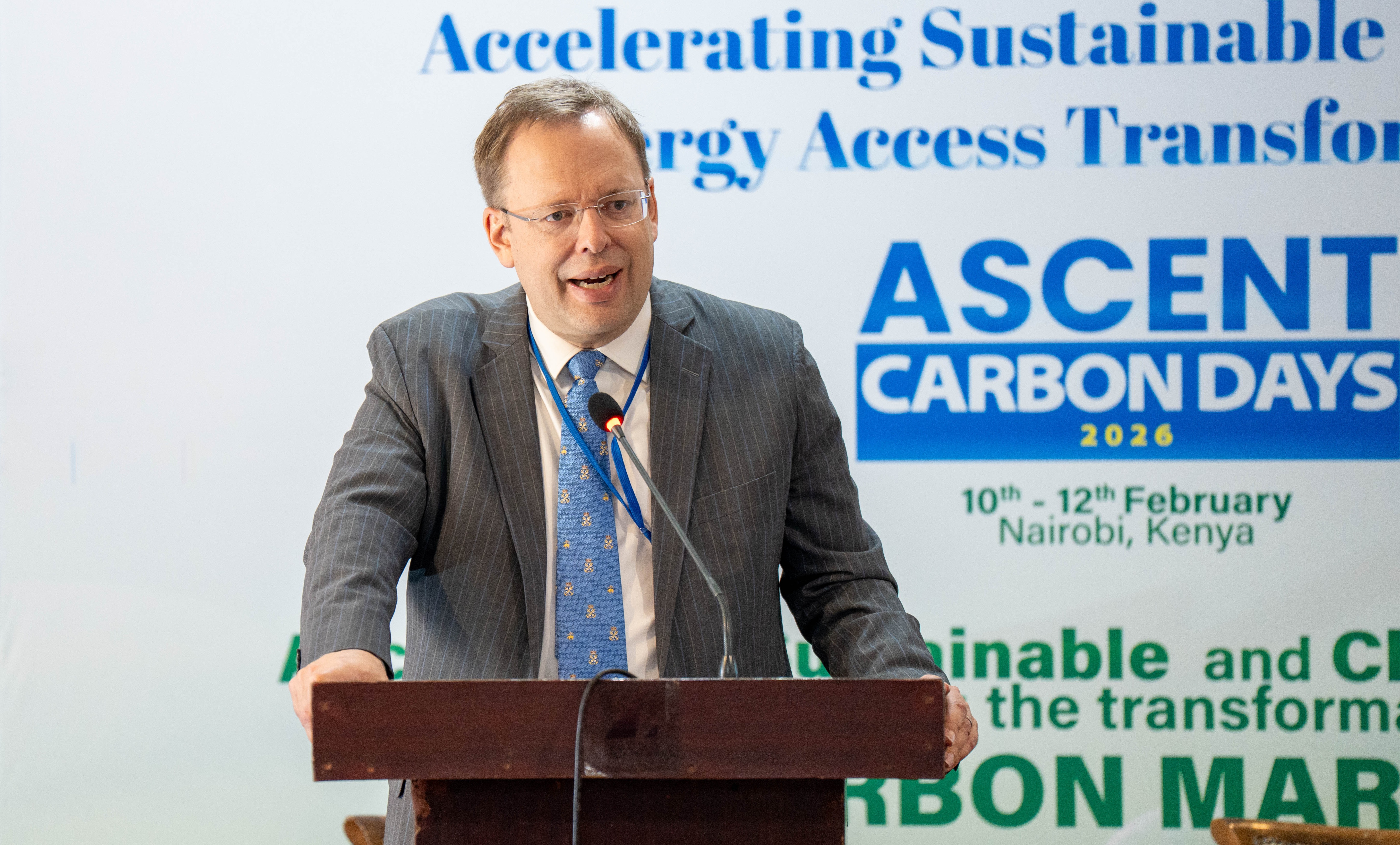
Erik Fernstrom, World Bank Regional Director of Infrastructure for Eastern and Southern Africa. Photo credit: COMESA
Broadening Opportunities
The Accelerating Sustainable and Clean Energy Access Transformation program, or ASCENT, is a World Bank multi-country programmatic initiative aiming to deliver electricity access to 100 million people across up to 20 countries in Eastern and Southern Africa. The program combines country-level investments with regional platforms to scale grid and off-grid electrification, distributed renewable energy, clean cooking solutions, utility strengthening, and cross-border energy initiatives. A flagship program under Mission 300 – a pioneering initiative led by the World Bank Group, the Africa Development Bank and partners to connect 300 million people in Africa to electricity by 2030 - ASCENT is backed by US$5 billion in World Bank funding and is expected to mobilize an additional US$10 billion from public and private financing sources, including carbon markets.
ASCENT Carbon is the technical assistance program supporting participating countries to generate high-quality emission reduction credits and access carbon markets. It aligns complementary World Bank Group programs—including the Partnership for Market Implementation (PMI), the Carbon Initiative for Development (Ci-Dev), and the Scaling Climate Action by Lowering Emissions (SCALE) program—to support key elements of the carbon value chain, from policy and regulatory frameworks to MRV systems and monetization. Specifically designed to address challenges that have historically constrained carbon projects in Africa, ASCENT Carbon has several distinguishing features. First, it leverages ASCENT's programmatic scale to aggregate credits across countries that would otherwise struggle to access carbon markets individually. The program also integrates digital monitoring, reporting, and verification (dMRV) systems to bring transparency, rigor, and lower transaction costs.
In addition, ASCENT Carbon is anchored in a new Energy Access Carbon Standard with conservative, dMRV-adapted methodologies suited to large-scale energy access programs. Preliminary estimates suggest the potential to prevent up to 85 million metric tons of greenhouse gas emissions over the crediting period, creating a significant revenue opportunity that could help efforts to close the energy access financing gap.
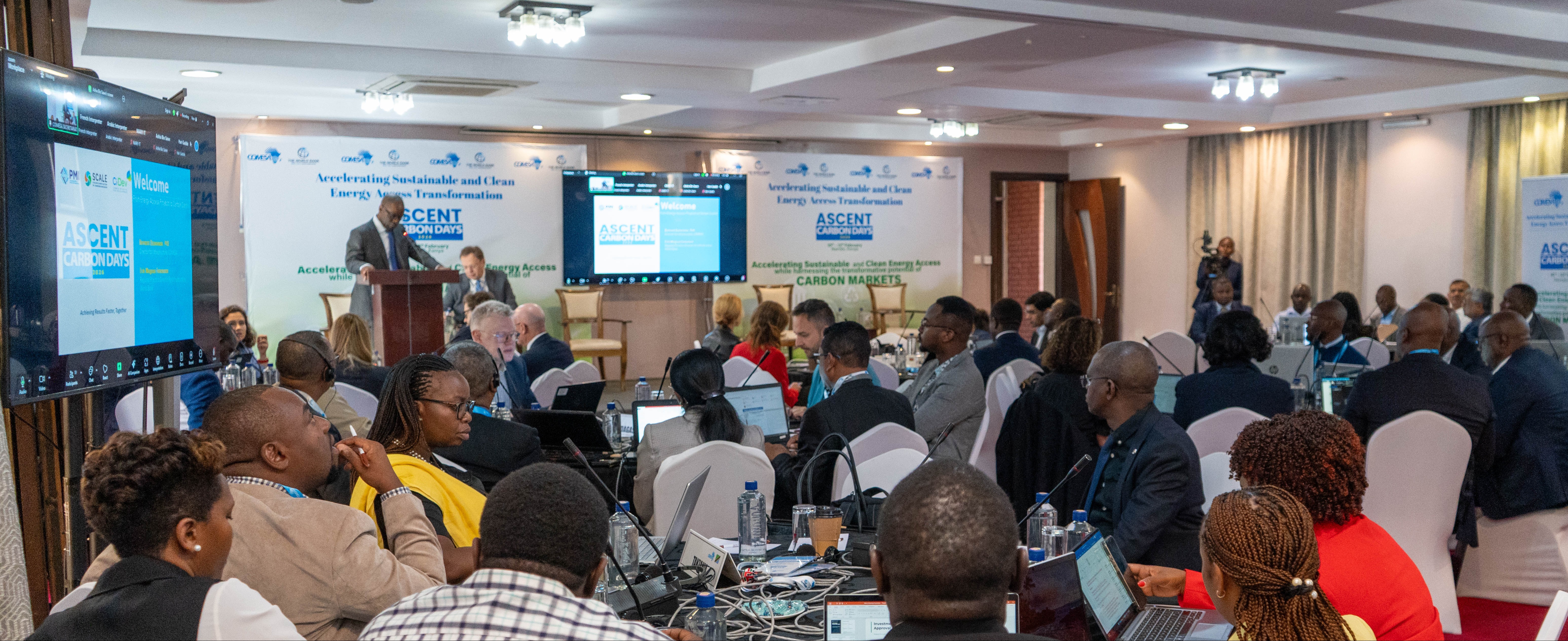
Participants of ASCENT Carbon Days in Nairobi, Kenya. Photo credit: COMESA
Enabling Deeper Understanding
ASCENT Carbon Days took participants through the full arc of the carbon market journey, from implementing energy access projects and tracking progress through digital MRV, to generating emission reductions, converting them into carbon credits, and preparing for their monetization through carbon markets. Country participants gained exposure to the entire carbon market ecosystem and obtained a comprehensive overview of the institutional arrangements needed for sound decision-making. They deepened their understanding of the importance of good data and the critical role of digital infrastructure in their energy access programs, examined carbon market readiness, including through peer learning, and identified key challenges to address on the path to monetization.
Equally important was what the workshop achieved within country delegations, not just between them. By bringing together representatives from, among other agencies, ministries of finance and energy, rural electrification authorities, and carbon market agencies, the event made clear that the success of each country's ASCENT Carbon program hinges on collaboration and coordination across institutions. The workshop helped participants clarify roles and responsibilities within the carbon market ecosystem and, specifically, within their national ASCENT Carbon programs.
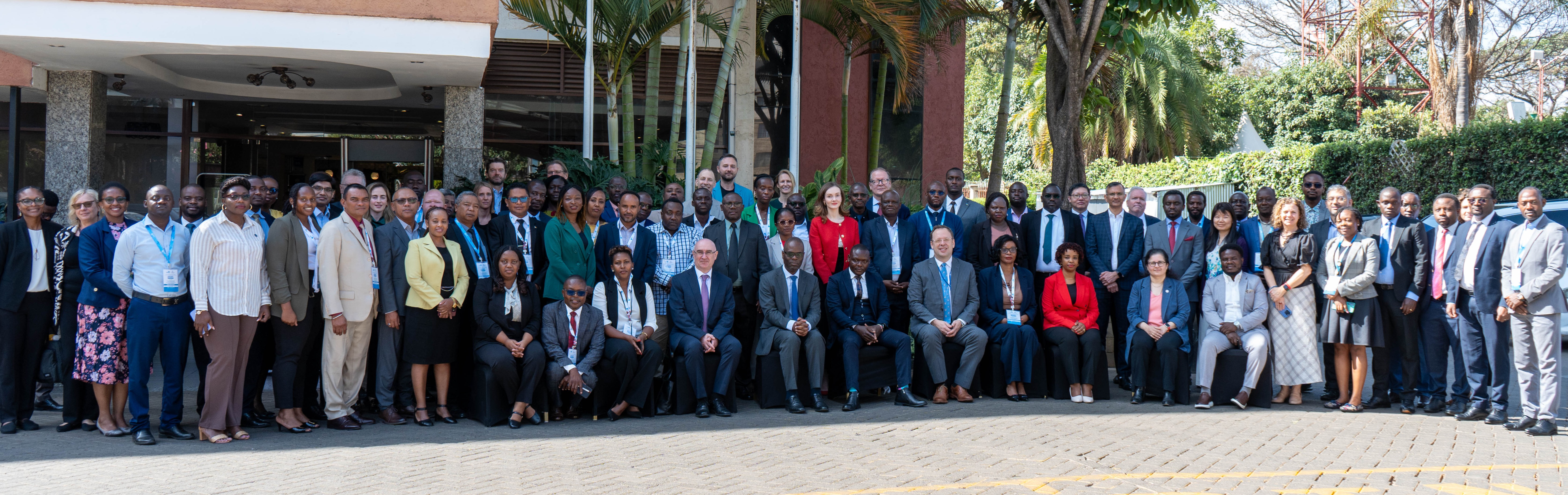
Participants of ASCENT Carbon Days in Nairobi, Kenya. Photo credit: COMESA
Key Program Updates
The event was also an opportunity to share important developments in the ASCENT Carbon program:
- The Energy Access Carbon Standard, which is being developed by the Global Carbon Council (GCC) and will underpin ASCENT Carbon, is expected to be finalized in spring 2026.
- Delegates received a live demonstration of the end-to-end digital infrastructure for carbon credit issuance, including the ASCENT Carbon Engine - the software system that automates the calculation of emission reductions based on energy access data, in accordance with the methodologies under the Energy Access Carbon Standard.
- COMESA announced the launch of a process to develop a Model Policy Framework for Carbon Markets, to which all ASCENT countries will be invited to participate.
Moving forward
At the workshop, each country team developed a concrete roadmap to generate and monetize carbon credits generated under the ASCENT program. They will now advance their respective institutional, legal, and data readiness actions. Participants reiterated the need for continued capacity building, particularly in preparing for the monetization and transaction process, and requested ongoing support from the World Bank and COMESA.
On the program side, while the GCC finalizes the Energy Access Carbon Standard, the World Bank will complete the ASCENT Carbon Operations Manual and continue to support countries in addressing carbon market readiness gaps, including enhancing knowledge on monetization options and facilitating access to carbon credit markets. The Access to Energy Institute and Carbon Clear – partners of ASCENT Carbon - will complete testing of the Carbon Engine software using country data, with World Bank support. In parallel, COMESA will advance the Model Policy Framework and continue hosting knowledge-sharing webinars to sustain the momentum built at ASCENT Carbon Days.