PMI Regional Programs, launched so far in Africa, East Asia and the Pacific, and Eastern Europe and Central Asia, are designed to help countries address shared carbon pricing and carbon market challenges through technical assistance and peer learning. As part of PMI's redesigned approach to regional programming, greater emphasis is being placed on connecting carbon pricing approaches with broader national policy priorities and development objectives, helping countries identify the most appropriate entry points and tools to begin their carbon pricing journey within their broader policy and economic context.
In Africa, leveraging the World Bank Group's broader engagement on fiscal management is particularly relevant to exploring carbon pricing, given the region's pressing fiscal and development priorities. Building on the World Bank's long-standing engagement with Ministries of Finance, tax administrations, and other government institutions, the PMI Regional Program is helping countries consider carbon pricing within ongoing discussions on fiscal policy, domestic resource mobilization, and economic competitiveness while taking into account distributional impacts, informality, and related considerations. This includes integrating carbon pricing analysis into instruments and processes such as Public Finance Reviews, Development Policy Financing (DPF) operations, Medium-Term Revenue Strategies (MTRSs), and broader tax policy dialogue. In this way, carbon pricing can be considered alongside wider fiscal and economic policy objectives, rather than as a stand-alone climate policy.
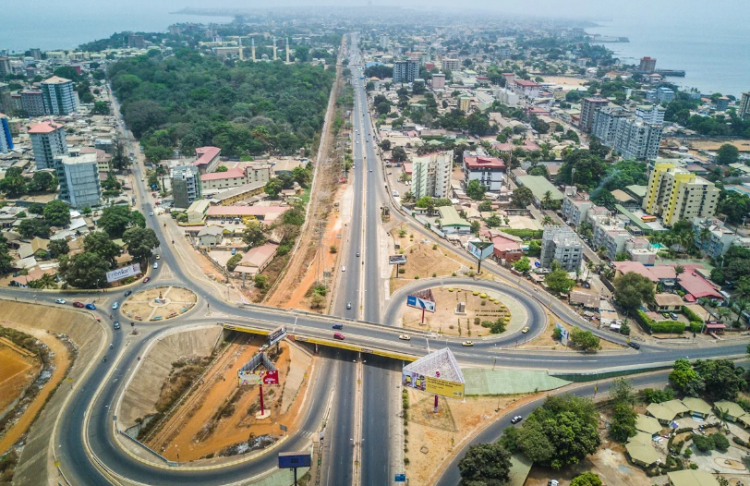
The approach is already taking shape across several countries. In Tanzania, carbon pricing analysis is informing the country's Public Finance Review and supporting discussions on fiscal policy options. In Uganda, analytical work on transport taxation is contributing to broader discussions on domestic resource mobilization and fiscal reform. In Zambia, policymakers are considering carbon pricing opportunities alongside the potential implications of international carbon-related trade measures. Similar work in Benin, Guinea, and Togo is helping bring carbon pricing considerations into broader fiscal and economic policy discussions.
Côte d'Ivoire: Building a framework for green fiscal policy
Côte d'Ivoire provides a concrete example of how this integrated approach can support country-led reforms. Through a collaboration led by the Directorate General of Taxes under the Ministry of Economy, Finances and Budget, the World Bank is supporting the development of a methodological guide to help policymakers assess existing fiscal instruments and identify opportunities to better align fiscal policy with development and environmental objectives.
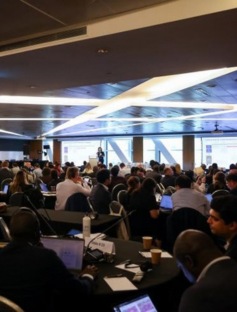
The methodology was developed through a technical workshop held in May 2026, which brought together government officials, technical experts, and development partners to engage in stakeholder consultations aimed at adapting international experience to Côte d'Ivoire's institutional context and ensuring country ownership of policy reforms. The work contributes to the country's broader fiscal reform agenda, including its Medium-Term Revenue Strategy (MTRS) and upcoming Green Fiscal Report, helping ensure that carbon pricing considerations are embedded within wider tax policy discussions through a country-led process. The workshop also attracted national attention, with coverage by Linfodrome, Le Nouveau Réveil, a Business24 Africa video report, as well as a special broadcast by L'Impôt et vous highlighting the discussions and the government's efforts to strengthen green taxation as part of its broader fiscal reform agenda.
More broadly, the Regional Program provides tailored analytical support to help governments assess different carbon pricing approaches and understand their potential development implications in national circumstances. This includes understanding the impact of emerging international developments, such as the European Union's Carbon Border Adjustment Mechanism (CBAM) – an evolving international mechanism - and the policies that would allow to optimize a response alongside domestic fiscal and economic priorities.
The work underway across the region illustrates how carbon pricing can enter policy discussions through different channels, reflecting countries' own fiscal and economic priorities. From Public Finance Reviews and tax reform to domestic resource mobilization and responses to international trade measures, these entry points provide a basis for countries to assess whether and how carbon pricing could support their broader policy objectives.