
(L-R) Saurabh Diddi, Director, Bureau of Energy Efficiency, India; Marcos Castro (World Bank); Stefan Ilcus, Policy Officer (Climate), EU Delegation to India; Laura Aylett, First Secretary, Climate and Energy, Foreign and Commonwealth Development Office, UK; Ana Paula Machado Cavalcante, Undersecretary for Regulation and Methodologies at the Secretariat for Carbon Markets, Ministry of Finance, Brazil. Photo credit: Bureau of Energy Efficiency (India).
India's recent convening of PRAKRITI – its flagship event on carbon markets - is timely for a country with immense and growing exposure to market-based climate mechanisms. Organized by the Bureau of Energy Efficiency (BEE), the administrator of India's Carbon Credit Trading Scheme (CCTS), PRAKRITI brought together policymakers, practitioners, regulators, and market participants from across India and the world on March 21-22, 2026, to discuss what lies ahead for domestic carbon pricing.
Bringing global knowledge, curated for India
The World Bank's India Environment team has been a close partner to the Government of India on its carbon market journey - an engagement delivered through the Partnership for Market Implementation (PMI). The team worked closely alongside BEE in shaping PRAKRITI 2026 and brought in PMI to deliver two technical masterclasses designed to provide conceptual grounding and practical insight into questions of design and operationalization of carbon markets. The masterclasses focused on two important dimensions for carbon market success: determining the role of offset credits in compliance carbon markets, and the interoperability of carbon market infrastructure.
A new phase for India’s Carbon Market
India’s carbon market is unique. Governed by the CCTS, the India Carbon Market (ICM) comprises a compliance and offset component. The CCTS focuses on overall emissions intensity reduction and directly addresses India's Nationally Determined Contribution (NDC). To date, the ICM covers 490 obligated entities across India's most emission-intensive industries, all of which are set to enter the first trading cycle in the coming months.
Recognizing that India's emissions reduction potential extends beyond heavy industry, the CCTS also creates for an offset mechanism for sectors outside the compliance perimeter. This allows voluntary project developers across agriculture, forestry, construction, transport and other sectors to design and register mitigation projects, earn credits, and trade them within India's domestic market. India has released comprehensive guidance on both the compliance and offset mechanisms, set the baseline and target for obligated entities under the compliance mechanism, and identified a set of approved methodologies under the offset mechanism. The framework is in place. The masterclasses organized by PMI focused on implementation.
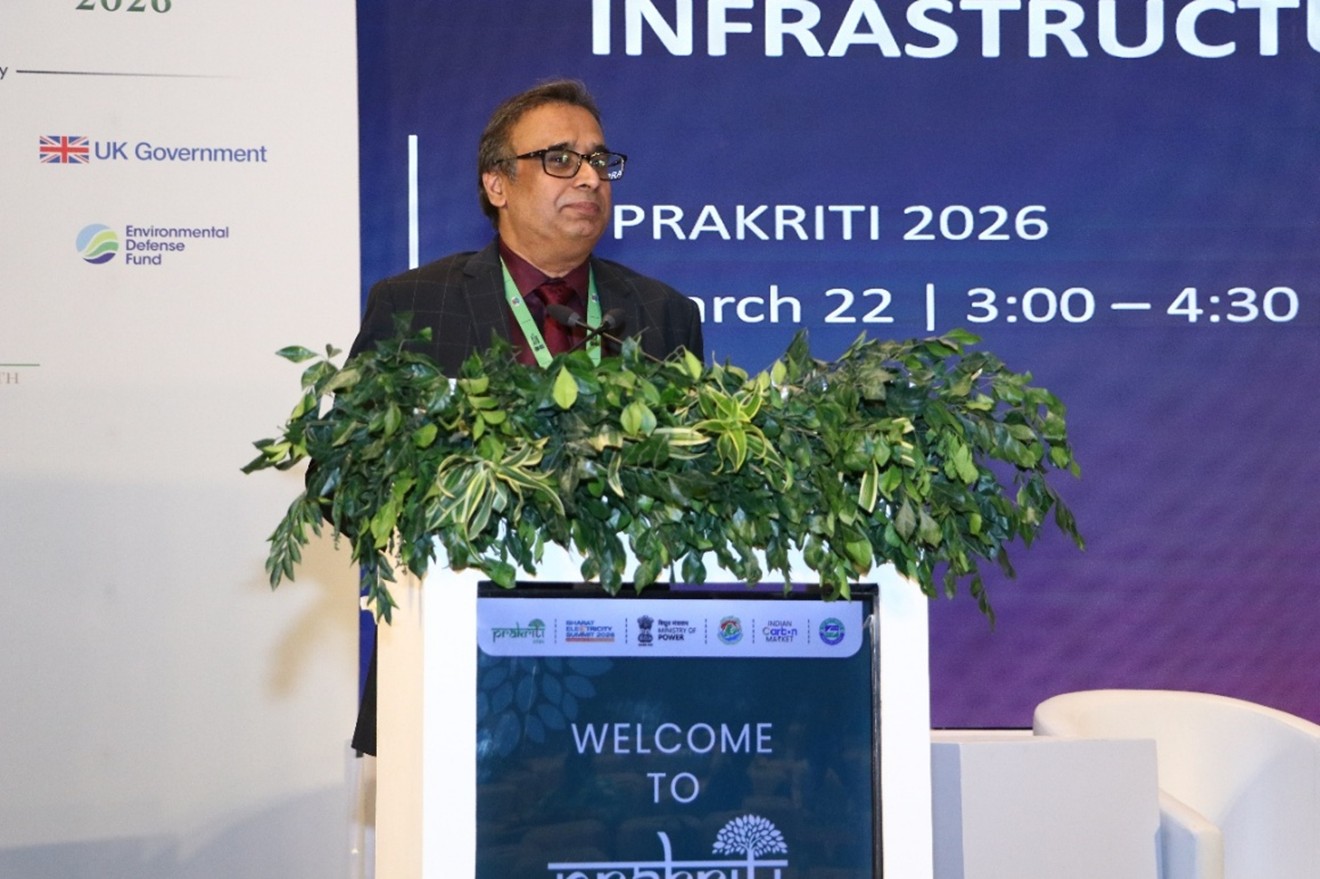
Saurabh Diddi, Director, Bureau of Energy Efficiency, Government of India, giving opening remarks at the masterclass. Photo credit: Bureau of Energy Efficiency (India)
Masterclass 1: When Compliance Meets Credits
The first masterclass focused on integrating carbon credits into compliance markets. In India, carbon market architecture provides the framework for carbon credits from emissions reductions/removal projects to be used to meet compliance requirements under the newly established CCTS. While the use of offset credits within the compliance mechanism is not yet permitted in India, understanding the policy choices and design considerations is critical to establishing a high-integrity and efficient carbon market.
Fungibility between carbon credit markets and domestic compliance systems is becoming increasingly important. Globally, more than a third of all emissions trading systems and carbon taxes allow the use of carbon credits to meet compliance obligations. The EU Emissions Trading System is exploring the reintroduction of offset credits from the mid-2030s, and countries such as Brazil, Vietnam, and China have incorporated or are incorporating similar designs into their own mechanisms. The masterclass drew on experiences from peer countries such as Brazil and Turkiye to examine the considerations that arise when compliance and offset markets are brought together.
Masterclass 2: Interoperable Carbon Market Infrastructure
The second masterclass focused on interoperable carbon market infrastructure: what it means, why it matters, and how countries are building it. Under the CCTS, both obligated entities under the compliance mechanism and non-obligated entities under the offset mechanism must register with the ICM Registry. Therefore, this infrastructure must be capable of managing the full lifecycle of carbon credits across both compliance and voluntary market segments, while ensuring seamless interoperability with international systems and data frameworks. Drawing on experiences from India and Thailand, the session highlighted key design choices, institutional arrangements, and early lessons from two advanced registry systems. Discussions emphasized the importance of sequencing policy, data, and infrastructure and avoiding fragmented architectures that can constrain interoperability over time.
The masterclass also explored the role of digital monitoring, reporting, and verification (MRV) as an enabling layer within this infrastructure. Emerging technologies such as remote sensing, earth observation, and automated data pipelines were discussed for their potential to improve accuracy and granularity of emissions data, reduce reliance on costly field-based verification, and enable more timely, traceable, and auditable reporting. The session moved beyond theory to practice through live demonstrations by private sector providers actively developing and deploying these solutions.
The timing is important for India as the CCTS is entering its first compliance cycle. India has an opportunity to leapfrog into a digitally enabled MRV ecosystem that is more efficient, more credible, and better positioned to scale as the market matures.
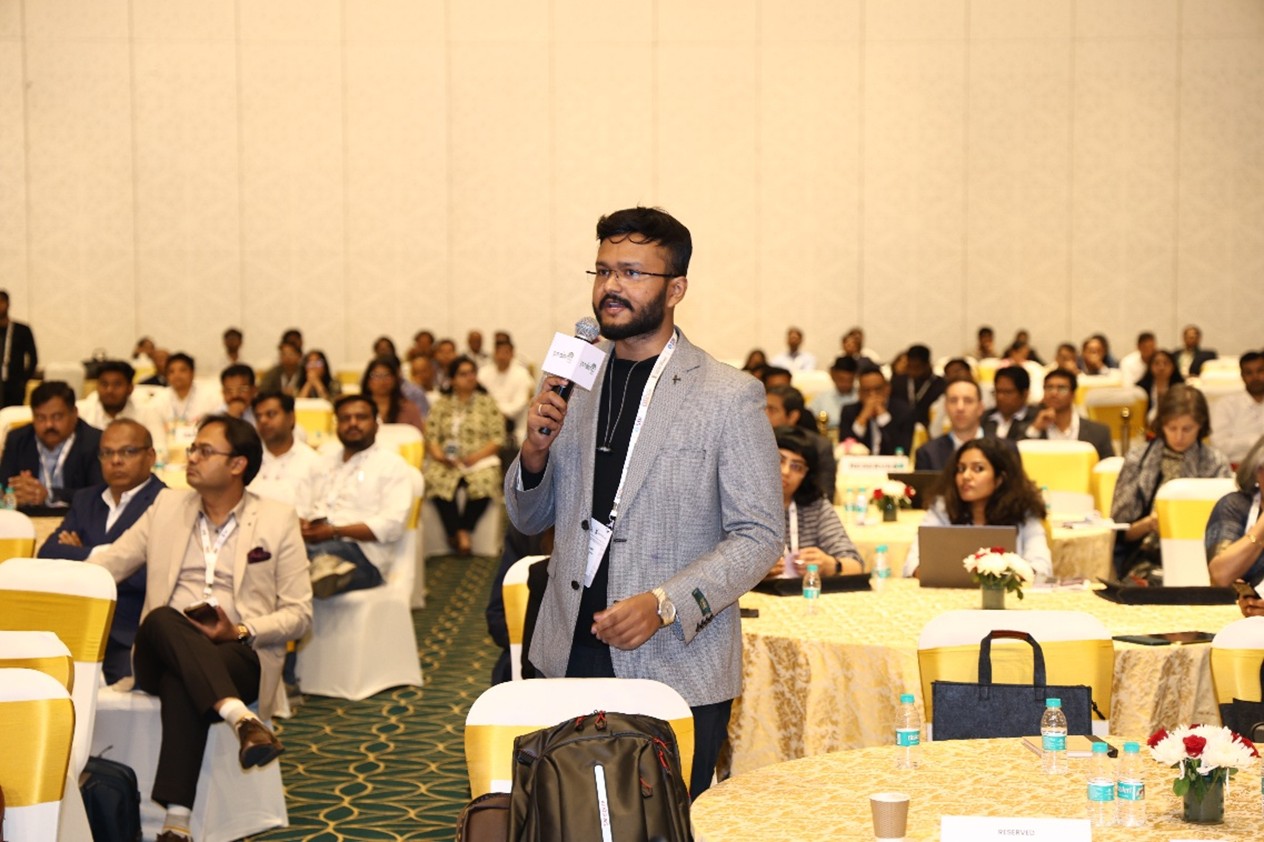
Audience participation at Prakriti. Photo credit: Bureau of Energy Efficiency (India).
Beyond Prakriti: PMI’s ongoing support to India
PMI’s engagement in India extends beyond the masterclasses. Through ongoing Just-in-Time support, PMI has contributed to foundational elements of India’s carbon market, including advisory inputs on market infrastructure design and a national registry data model, drawing on global public goods such as the Climate Action Data Trust to support interoperability across domestic mechanisms and potential future international linkages. PMI has also supported analytical work on market stability instruments to help inform policy discussions on managing price volatility.
Prakriti 2026 underscored that India’s carbon market journey has entered a new phase where policy implementation choices, institutional capacity, and infrastructure design will shape outcomes for years to come. Looking ahead, PMI’s programmatic collaboration will focus on strengthening implementation capacity, advancing digital MRV solutions, and supporting readiness for domestic and international carbon market engagement.